Of all the minor ailments that can disrupt our daily lives, few are as persistently annoying and painfully sharp as an ingrown toenail. Known medically as onychocryptosis, this common condition can turn a simple walk into a wincing ordeal. But what exactly is it, why does it happen, and, most importantly, how can you find relief and prevent it from coming back?
What is an Ingrown Toenail?
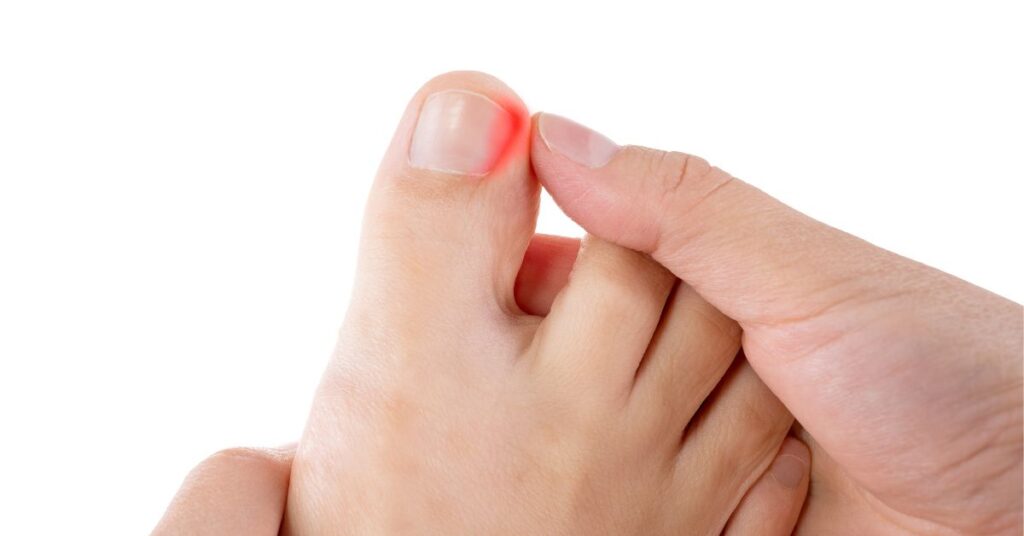
Simply put, an ingrown toenail occurs when the corner or edge of your toenail, usually on the big toe, grows into the soft flesh surrounding it. The result is pain, redness, swelling, and sometimes, an infection. It’s your body’s way of reacting to what it perceives as an “invader”—the sharp edge of your own nail.
Why Does It Happen? The Usual Suspects
Understanding the causes is the first step toward prevention. Often, it’s a combination of factors:
1. Improper Trimming: The most common culprit. Cutting your toenails too short or rounding the corners encourages the skin next to the nail to fold over it, allowing the nail to grow in.
2. Ill-Fitting Footwear: Shoes that are too tight, narrow, or short crowd your toes, putting constant pressure on the nails and forcing them into the skin.
3. Trauma: Stubbing your toe, dropping something heavy on it, or repetitive pressure from activities like running or soccer can damage the nail and alter its growth pattern.
4. Genetics: Some people are simply born with nails that are more curved or prone to growing inward.
5. Foot Hygiene and Sweat: Consistently sweaty feet can soften the skin and nail, making it easier for the nail to penetrate the skin.

Soothing the Pain: Natural Remedies and At-Home Care
If you catch an ingrown toenail early, before it becomes severely infected, you can often manage it at home.
- The Warm Water Soak: This is your go-to first step. Soak your foot in warm, soapy water or a solution of Epsom salt and water for 15-20 minutes, 3-4 times a day. This reduces swelling, softens the skin, and can help ease the pain.
- Gentle Massage and Cotton Wedge: After soaking, when the skin is soft, you can try to gently massage the swollen skin away from the nail edge. Some people find success by carefully placing a tiny piece of cotton or dental floss under the ingrown edge to lift it slightly above the skin. Change this cotton after every soak.
- Apple Cider Vinegar Soak: While not scientifically proven, some people find relief with an apple cider vinegar soak, known for its mild antiseptic properties. Use one part vinegar to two parts warm water.
- Antibiotic Ointment: After soaking and drying your foot, apply an over-the-counter antibiotic ointment and cover it with a clean bandage to prevent infection.
Important Note: Invest in some foot spa kits so your feet can get a regular workout.
How to Ease the Throbbing?
While treating the root cause, you need immediate pain relief.
- Over-the-Counter Pain Relievers: Medications like ibuprofen or acetaminophen can effectively manage the pain and inflammation.
- Comfortable Footwear: Wear open-toed shoes or wide, comfortable shoes with plenty of room for your toes. This relieves pressure on the affected area.
- Rest: Avoid activities that put excessive pressure on your toe, like running or jumping.
Prevention is Better Than Cure
The best way to deal with an ingrown toenail is to stop it from happening in the first place.
1. Trim Your Nails Correctly: This is non-negotiable. Cut your toenails straight across. Don’t round the corners, and don’t cut them too short. The edge should be just above the skin.
2. Choose Your Shoes Wisely: Invest in well-fitting shoes with a spacious toe box. Your toes should be able to wiggle freely without being cramped.
3. Wear Clean Socks: Opt for moisture-wicking socks to keep your feet dry, and change them daily.
4. Protect Your Feet: If your job or hobbies put your feet at risk, wear sturdy, protective footwear.
When to See a Doctor?
Home care is not always enough. If you notice severe pain, pus, excessive redness that is spreading, or if you have a condition like diabetes or poor circulation that affects your feet, it is crucial to see a doctor or a podiatrist immediately. They can perform a minor procedure to remove the problematic nail edge safely and prevent serious complications.
An ingrown toenail may be a small problem, but its impact is significant. By understanding its causes and adopting simple, proactive habits, you can keep your feet happy, healthy, and pain-free.