Imagine a tiny, uninvited guest slowly making itself at home in the hard surface of your fingernail or toenail. It doesn’t pack its bags or cause immediate alarm. Instead, it settles in, multiplies, and begins to change the very landscape of your nail. This guest is nail fungus, a common but often misunderstood condition. More than just a cosmetic flaw, it’s a persistent infection that requires attention and understanding to manage effectively.
What is Nail Fungus?
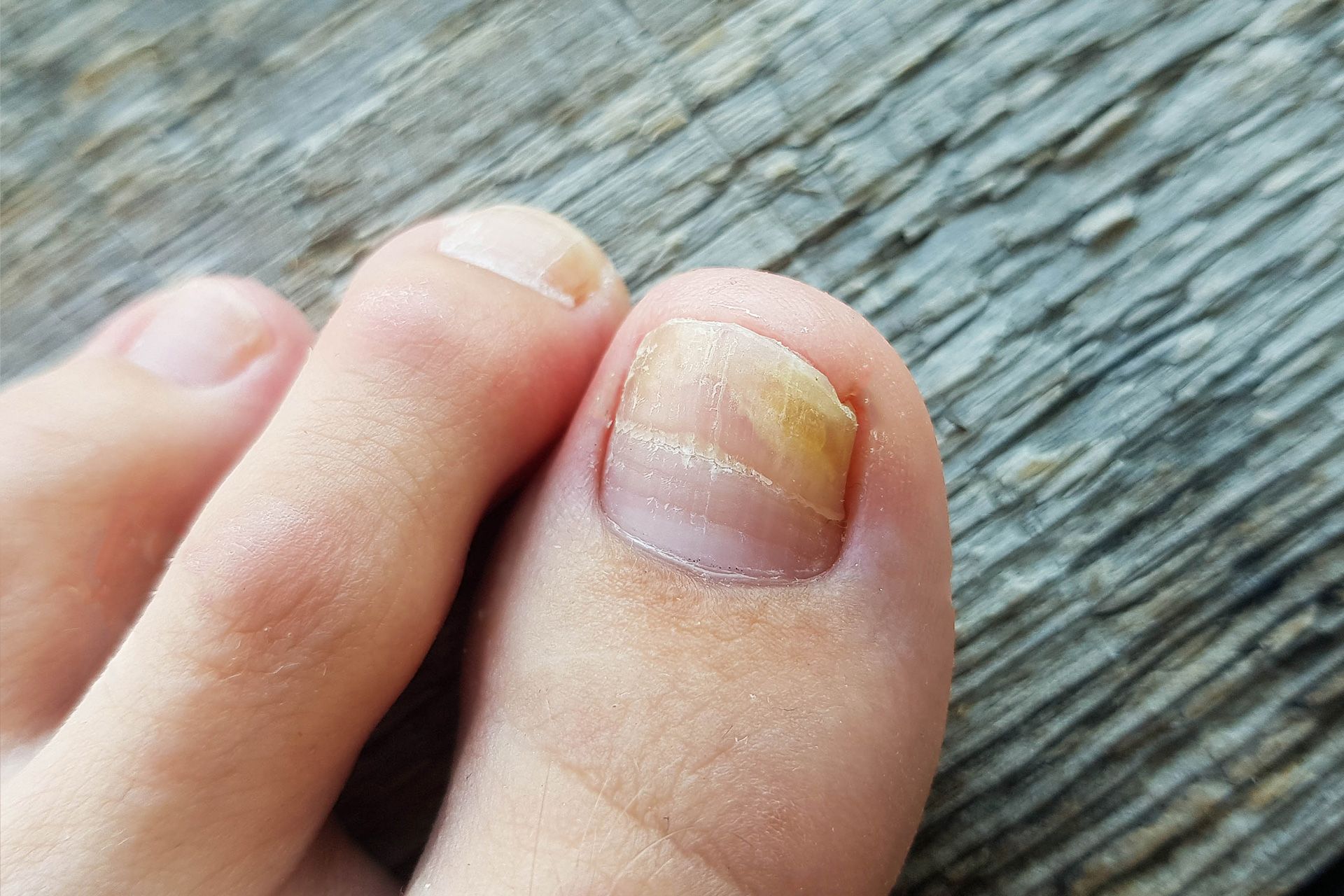
Medically known as onychomycosis, nail fungus is an infection caused by microscopic organisms called fungi. These fungi, similar to those that cause athlete’s foot, thrive in warm, dark, and moist environments. They typically enter the nail through tiny, invisible cuts or the small separation between the nail and the nail bed. Toenails are more commonly affected than fingernails because shoes create the perfect warm, dark habitat fungi love. Once inside, the fungi feed on keratin, the protein that makes up the nail. This invasion leads to the visible changes we associate with the condition.
The Real Harm: More Than Skin Deep
The impact of nail fungus goes far beyond yellowed, thickened, or brittle nails. For many, the primary concern is aesthetic, leading to embarrassment and a reluctance to wear open-toed shoes or go barefoot. However, the risks are more significant.
- Pain and Discomfort: As the nail thickens and distorts, it can press painfully against shoes, making walking or exercising uncomfortable.
- Permanent Damage: Long-term infections can permanently scar and damage the nail matrix (the “root” of the nail), leading to chronic nail deformity.
- Spread: The fungus can spread to other nails, the surrounding skin (causing athlete’s foot), or even to other people through shared towels, floors, or nail clippers.
- Serious Complications: For individuals with diabetes or weakened immune systems, a fungal nail infection poses a severe health risk. It can lead to difficult-to-heal skin ulcers (sores) and secondary bacterial infections, which in rare cases can have grave consequences.

The Arsenal of Treatments: From Creams to Lasers
Thankfully, nail fungus is treatable, though it requires patience. The growth of a new, healthy nail is a slow process—taking 6 to 12 months for toenails. Treatments fall into several categories:
1. Topical Antifungals (Medicated Nail Polish & Creams): These are paints or creams applied directly to the infected nail and surrounding skin. They work best for mild, superficial infections affecting less than half the nail. Consistency is key—they must be applied daily, often for many months.
2. Oral Antifungal Pills: Prescription pills like terbinafine or itraconazole are the most effective treatment for moderate to severe infections. They work from the inside out, helping a new nail grow free of infection. Treatment typically lasts for several weeks. These medications require a doctor’s supervision due to potential side effects on the liver, and blood tests may be needed.
3. Medicated Nail Cream with Periodic Debridement: A doctor may pair a prescription topical cream with periodic “debridement”—physically thinning the thickened nail with a file or tool. This helps the medicine penetrate better.
4. Laser and Light Treatments: These newer therapies use focused light energy to heat and destroy the fungus. They are promising but can be expensive, are not always covered by insurance, and may require multiple sessions.
5. Surgical Nail Removal: In severe, painful cases, a doctor may suggest removing the nail entirely so that a topical antifungal can be applied directly to the infection site underneath. A new nail will grow back, though slowly.

How to Successfully Treat Nail Fungus: A Practical Guide
The journey to clear nails starts with a proper diagnosis. A doctor will often take a small nail clipping to confirm it’s fungus and not another condition like psoriasis. Once diagnosed:
- Follow Instructions Precisely: Whether using a topical or oral medication, adherence to the prescribed regimen is critical. Skipping applications undermines the treatment.
- Manage Expectations: Understand that you are growing a new nail. You will not see dramatic changes at the base until the new, healthy nail grows out.
- Keep Nails Trimmed and Thin: Regularly trim nails straight across and thin thickened areas with a nail file to reduce pain and the fungal reservoir.
- Complete the Course: Do not stop treatment early just because the nail looks better. This can lead to immediate relapse.
Building a Fungus-Free Fortress: Prevention
Since nail fungus loves warmth and moisture, prevention focuses on creating an unfriendly environment for it:
- Keep Feet Clean and Dry: Wash feet daily and dry them thoroughly, especially between the toes.
- Choose Smart Footwear: Wear moisture-wicking socks (like cotton or wool blends) and change them if they become damp. Opt for shoes made of breathable materials. Alternate shoes daily to allow them to dry out completely.
- Protect Your Feet in Public Areas: Wear shower shoes or flip-flops in public pools, locker rooms, and communal showers.
- Tool Hygiene: Do not share nail clippers or files. If you get a professional pedicure, choose a salon that sterilizes instruments (autoclaving) or bring your pedicure kit.
- Treat Athlete’s Foot Promptly: Use an antifungal powder or spray if you are prone to sweaty feet or athlete’s foot to prevent it from spreading to the nails.
Nail fungus is a stubborn foe, but it is not invincible. By understanding what it is, respecting its potential harm, utilizing modern treatments with patience, and adopting vigilant preventive habits, you can reclaim the health and appearance of your nails. The battle is won through consistent, informed action.
Read also: Ingrown toenail causes, treatments, and prevention